
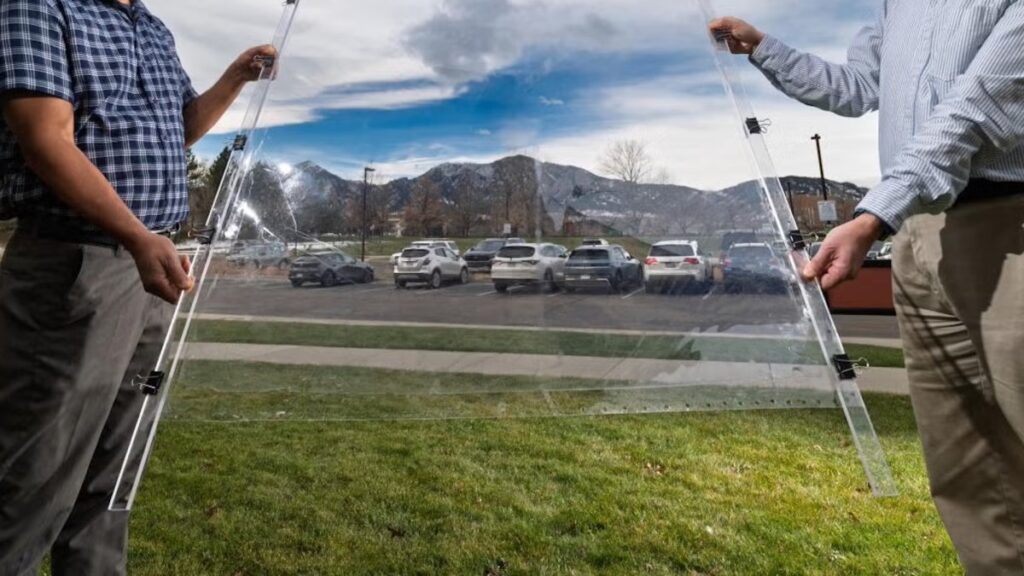
Dobře umístěné okno může prosvětlit místnost přirozeným světlem a nabídnout malebný výhled na okolní svět. Jsou také značně neefektivní. Budovy spotřebují kolem 40 procent produkce energie společnosti a velká část této energie se vyplýtvá kvůli špatné izolaci v zimě a přílišnému zadržování tepla v létě. Dokonce i ta nejekologičtější okna nevyhnutelně přispívají k odčerpávání energie.
Vzhledem k tomu, že je nepravděpodobné, že by lidé přijali svět domů bez oken, jaké je řešení? Podle jednoho týmu výzkumníků z University of Colorado Boulder může být opravou nový materiál, který připomíná balicí bublinkovou fólii používanou v krabicích na stěhování.
„Abyste zablokovali výměnu tepla, můžete do stěn vložit spoustu izolace, ale okna musí být průhledná,“ uvedl v prohlášení spoluautor studie a fyzik materiálů University of Colorado Boulder Ivan Smalyukh. „Najít průhledné izolátory je opravdu náročné.“
Místo toho, aby objevili neopěvované výhody existujícího průhledného materiálu, Smalyukh a jeho kolegové popisují svůj vlastní vynález ve studii nedávno publikované v časopise. Věda. Mesoporous Opticky Clear Heat Insulator (MOCHI) je silikonový gel, který funguje podobně jako ochranný aerogel umístěný uvnitř Mars roverů NASA k ochraně jejich elektroniky. Jak MOCHI, tak aerogely fungují pomocí pasti[ing air inside a microscopic web of pores, each smaller than the width of a single human hair.
What differs between the two materials is how those air bubbles are arranged. Aerogels generally contain randomly distributed pockets that reflect light and make them opaque. However, MOCHI relies on molecules called surfactants suspended in a liquid silicone solution. Much like oil and vinegar separating, surfactants tend to group into threads, while the silicone adheres to the thread’s exteriors. From there, the team swapped out the surfactants with air, leaving behind what Smalyukh described as a “plumber’s nightmare” of microscopic pipes.
MOCHI’s volume is 90 percent air in its final form, which is what makes it so good at reflecting heat. In a gas, heat transfers as energized molecules and atoms collide with one another. However, the air bubbles in MOCHI are so tiny that they prevent gas-transfered heat.
“The molecules don’t have a chance to collide freely with each other and exchange energy. Instead, they bump into the walls of the pores,” said Smalyukh.
MOCHI is so good at blocking heat that a 5 millimeter (about 0.20 inches) thick sheet is enough to shield your palm from an open flame. And unlike aerogels, MOCHI’s microscopic structures are arranged so that they only reflect an estimated 0.2 percent of incoming light. Taken altogether, MOCHI may not only block heat. It could be used in a device that traps the heat as a sustainable energy source.
“Even when it’s a somewhat cloudy day, you could still harness a lot of energy and then use it to heat your water and your building interior,” explained Smalyukh.
While MOCHI’s ingredients are comparatively inexpensive, the manufacturing process is still time-consuming and labor intensive. That said, Smalyukh and his team hope that further research will streamline the production steps in a way that could see the transparent material make its way into everyday architectural plans.

Průvodce venkovními dárky 2025 PopSci
Čerpáme z těchto zdrojů: google.com, science.org, newatlas.com, wired.com, pixabay.com